
Bacteriology is a branch of microbiology that specifically studies bacteria, including structure, physiology, classification, and their role in health, disease and the environment. This knowledge is an important basis in the fields of medicine, pharmacy, biotechnology and the food industry because bacteria can be pathogenic or beneficial to human life.
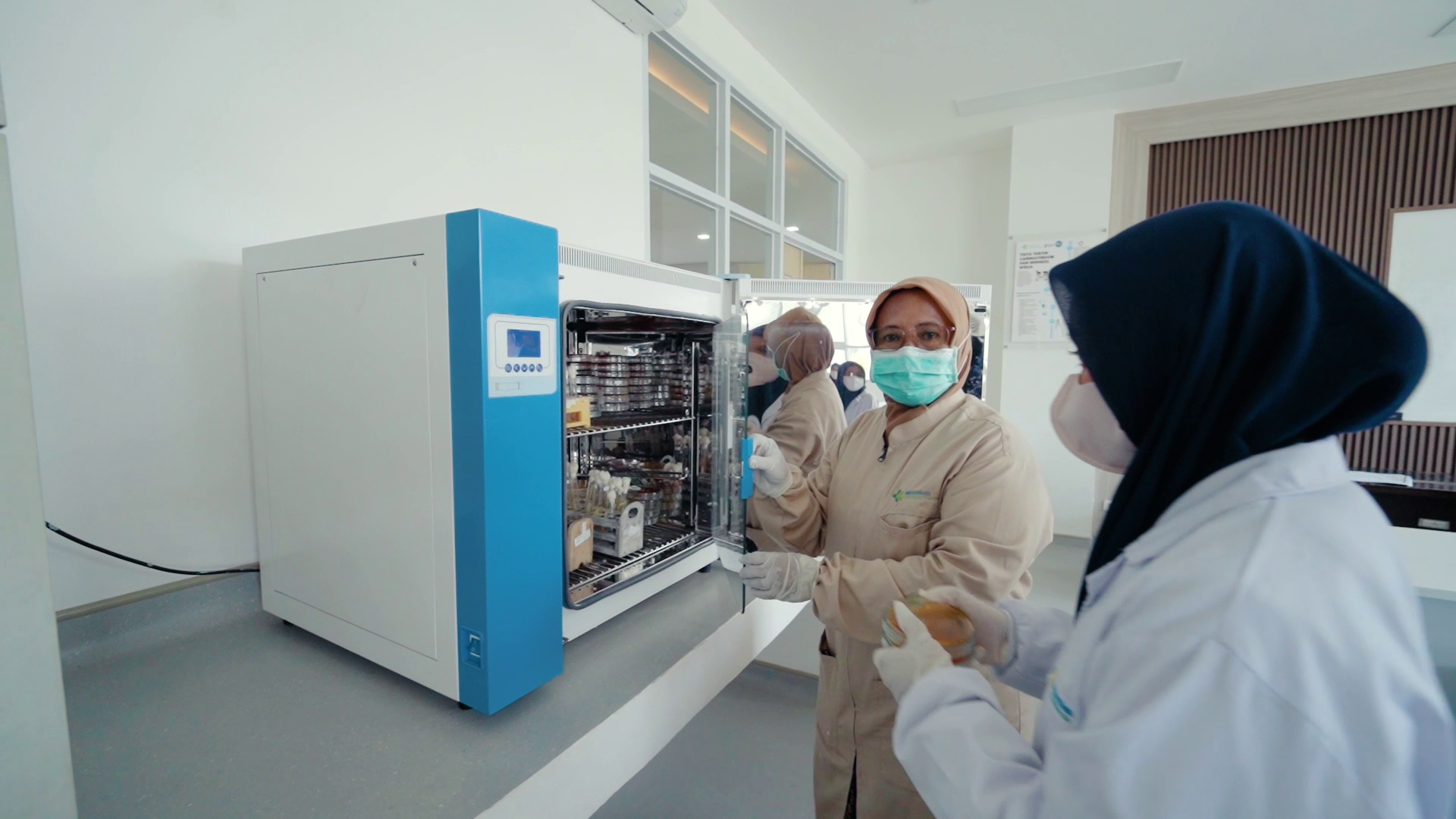
The Bacteriology Laboratory in our department is designed as a learning and research center that supports a deep understanding of the microbial world. Students not only study theory, but also do hands-on practice to master basic and advanced skills in microbiology.
✨ Facilities and Activities
-
Complete facilities: Light microscope, incubator, autoclave, and work space with biosafety standards.
-
Student practicum: Isolation techniques, Gram staining, biochemical tests, and identification of pathogenic and non-pathogenic bacteria.
-
Innovative research: Focus on antibiotic resistance, probiotics, and the use of bacteria in environmental and industrial biotechnology.
-
Research collaboration: Become a forum for collaboration between lecturers, students and external partners to produce microbiology-based solutions.
The laboratory environment is designed so that students feel safe, comfortable, and motivated to experiment. Each practical activity is accompanied by experienced lecturers and laboratory assistants, so that the learning process takes place systematically according to biosafety standards.